

Short answer
Start with drains that rarely get used, such as a guest shower, a laundry floor drain or a utility sink: run water in each for a minute to refill the trap. If the smell is around a toilet, the wax seal underneath may have failed. A smell only from hot water points to the water heater, not the sewer. If you think you smell natural gas, or you can't tell, leave the house and call 911 or your gas utility from outside.
How drains keep sewer gas out
Every sink, tub, shower and floor drain has a trap: a bend in the pipe that holds a small plug of water. That water seal blocks gas in the drain system from coming back into the room. Toilets have the same seal built into the bowl. A vent pipe that runs up through the roof lets air into the system so draining water doesn't siphon those seals away, and lets gas escape above the house.
Nearly every indoor sewer smell comes down to one of those parts failing: a seal that's dry, broken or leaking, or a vent that isn't doing its job.
Likely causes, most common first
- A dry trap in a drain nobody uses. Water in a trap slowly evaporates. A guest bathroom, a spare shower, a utility sink or a floor drain left for weeks can dry out and let gas straight in. This is the most common cause, and the easiest fix.
- A failed toilet wax ring. The wax seal between the toilet and the floor drain can fail, especially if the toilet rocks. Signs are a smell around the base, staining or moisture on the floor, and sometimes a leak when flushing.
- A blocked or missing vent. Leaves, a bird's nest or debris in the roof vent, or a vent that was never installed properly, can let traps siphon dry when other fixtures drain. Clues are gurgling sounds and a smell that comes and goes when toilets flush or the washer drains.
- A loose or cracked drain pipe. A slip nut under a sink that has worked loose, a cracked fitting, or a damaged line in a wall or under the slab can release gas even when traps are full.
- A missing or broken cleanout cap. The sewer cleanout, usually a capped pipe in the yard near the house, is open to the sewer if its cap is missing or cracked. The smell is often strongest outside near the foundation or drifting in through windows.
- A main sewer line problem. Several slow drains, gurgling, and a smell together point further down the line. See sewer line problems.
Step by step checks
1. Refill every trap
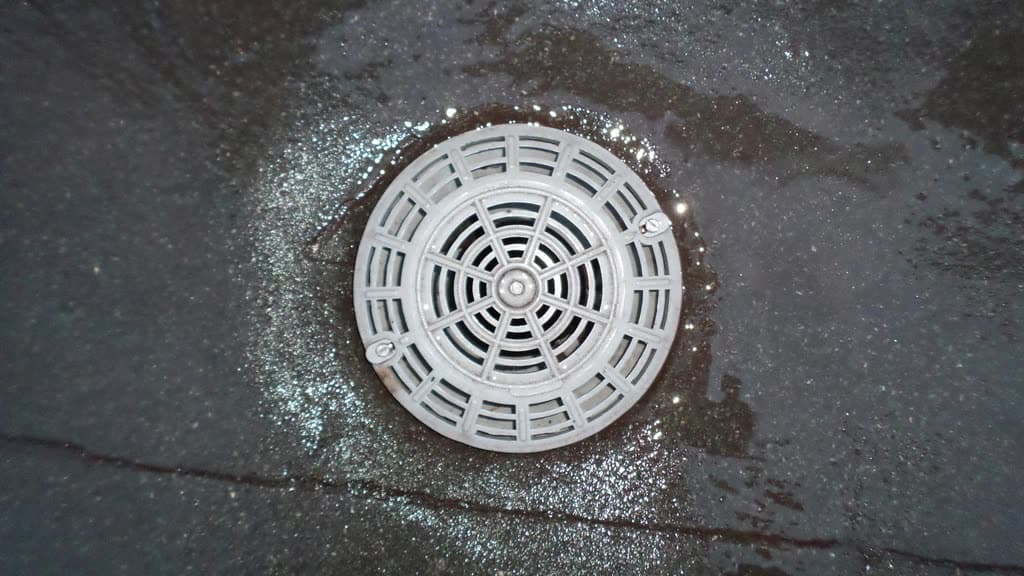
Run water for a minute in every sink, tub and shower, including the ones nobody uses. Pour a bucket of water into any floor drain. Flush every toilet. If the smell fades over the next hour or two, a dry trap was the culprit.
2. Sniff around the toilets
Get close to the base of each toilet. A smell concentrated there, a toilet that shifts when you sit on it, or dark staining around the base points to the wax ring. See leaking toilet for what's involved in resetting it.
3. Check under sinks
Open the cabinets and look at the trap and the pipe going into the wall. Hand-tighten any loose slip nuts. Look for moisture, a cracked trap, or a gap where the trap arm meets the wall fitting.
4. Note when the smell happens
- After flushing or when the washer drains, with gurgling: likely a vent or partial blockage problem.
- All the time in one room: a dry trap, a wax ring, or a leak in that room.
- Only when running hot water: see the water heater section below.
- Outside, near the foundation: check the cleanout cap.
5. Find the cleanout
Look for a capped pipe, often 3 to 4 inches across, in the yard near the house. If the cap is missing or cracked, a replacement cap from a hardware store is a simple fix. Don't open a cleanout that looks like it's under pressure or has water standing in it.
Rotten eggs from hot water only
If the smell shows up only when you run hot water, and cold water from the same faucet smells fine, the source is usually the water heater, not the sewer. A common explanation is bacteria in the tank reacting with the anode rod and producing a sulfur smell. It isn't a drain problem, and refilling traps won't help. A plumber can flush the tank and talk through options such as a different anode rod. See water heater repair. If the heater is gas and the smell is near it rather than at the faucet, treat it as a possible gas leak first.
What not to do
- Don't pour bleach or drain chemicals into drains to kill the smell. They don't fix a dry trap or a failed seal, and they can harm people who work on the pipes later.
- Don't mix cleaning chemicals trying to mask it. Some combinations release toxic gas.
- Don't caulk around a toilet base to seal in a smell. It can hide a leak that's rotting the floor.
- Don't climb onto the roof to check the vent unless you're comfortable and equipped for it. A plumber can check it from the roof or with a camera.
- Don't ignore a smell that keeps coming back after you've refilled the traps.
DIY vs calling a licensed plumber
You can safely refill traps, tighten slip nuts, replace a cleanout cap, and look for obvious signs around toilets. Call a licensed plumber when:
- The smell returns within days even with traps filled
- A toilet rocks or leaks at the base
- You hear gurgling and suspect a vent problem
- Several drains are slow or backing up
- You suspect a cracked drain in a wall or under the slab
Plumbers can find hidden drain leaks with a smoke test (harmless smoke pushed into the drain system to show where it escapes) or a camera inspection. See drain cleaning and sewer line repair for what those involve.
What to tell the plumber
- Which rooms smell, and whether it's constant or comes and goes
- Whether it's worse after flushing, draining or running hot water
- Any gurgling, slow drains or backups
- Whether any drains in the house go unused for long stretches
- Where the cleanout is, if you know
See choosing a plumber for how to check a Texas plumbing license.
Prevention
- Run water in unused drains every couple of weeks, and flush unused toilets.
- Keep the cleanout capped and visible, not buried in mulch.
- Fix a rocking toilet promptly before the seal fails.
- Don't put grease, wipes or other solids down drains, since partial blockages make venting problems worse.
Frequently asked questions
Why does my bathroom smell like sewage only sometimes?
A smell that comes and goes, especially after flushing or when other drains empty, often points to a venting problem that lets traps siphon, or a partial blockage. A trap in a rarely used drain drying out is another common cause.
How do I know if it's sewer gas or a gas leak?
They can smell similar, because natural gas has an odorant added that smells like rotten eggs. If the smell is near a gas appliance, you hear hissing, or you aren't sure, leave the house and call 911 or your gas utility from outside.
Can a dry drain really make the house smell?
Yes. The water sitting in a drain trap is what blocks sewer gas. When a drain goes unused for weeks, that water can evaporate. Running water for a minute refills the trap and usually clears the smell within an hour or two.
Why does only my hot water smell like rotten eggs?
That usually comes from the water heater, often from bacteria in the tank reacting with the anode rod. It isn't a sewer problem. A plumber can flush the tank and discuss options like a different anode rod.
Who do I call about a sewer smell outside near the street?
If the smell or any overflow seems to come from the City's sewer, call the City of McKinney's Water/Wastewater line on 972-547-7360. For questions about who owns which part of the line, call City Engineering on 972-547-7420.